Big Island Hawaii Snorkeling Tips

Related Links

Big Island Weather
Kayak Guide
Travel Planning
Snorkel Tours
Manta Ray Dive

Virtual Tours

Kailua Bay Panorama
Kailua Pier Panorama
Coral Reef Panorama

Diving Hawaii

OCEAN
Snorkeling Tips
SCUBA Diving Tips
Snorkeling
SCUBA Diving
Kayak Hawaii

KONA
Kailua-Kona
Hapuna Beach
Kealakekua Bay

Captain Cook
Honaunau

HILO
Leleiwi Beach
Richardson Beach
Kapoho Tidal Pools

Hawaii Souvenirs

Hawaiian Shirts
Macadamia Nuts
Hawaiian Flowers
Kona Coffee
Hilo Hattie Store
Hawaiian Surfwear


Hawaiian Shirts

Hawaiian Guide Books
Guide Books


Macadamia Nuts


You are here: Big Island > Ocean > Snorkeling > Tips

Hawaii Big Island Snorkeling

Hawaii Snorkeling Tips


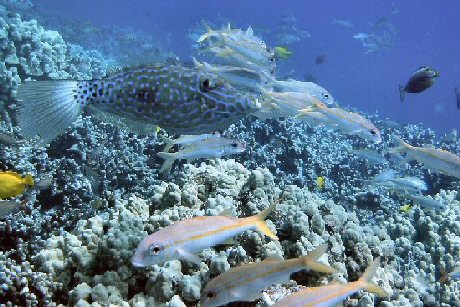
Puffer Fish at kahaluu Beach

Snorkeling Hawaii 1. Be Prepared
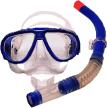
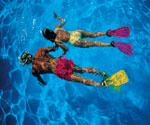
Rent high quality snorkel gear from your favorite beach gear rental shop.  Properly fitted fins and mask, de-fogger, sun screen and fish ID card will make snorkeling much safer and more enjoyable.  Also, it is recommended that you check out booties to protect your feet especially when entering and exiting the water.  Check the weather to find out surf, tide, and wind information.

2. Be Careful
Never snorkel in high surf conditions!  Also, never snorkel alone, check your equipment fit and function with your buddy.  Keep your hair out of your mask.  Position the snorkel correctly.  Make sure you are comfortable.  Now, ease yourself into the water and practice in the shallows.  Try to pick an area with easy ocean access, and little waves. Snorkeling at a beach park where there is a lifeguard is the safest option.  Once you feel relaxed and confident, venture into deeper waters, but never beyond the capabilities of your buddy.  Snorkel equipment will not make you a better swimmer, so go no further than you would have without the gear.  If either you or your buddy begins to feel tired, cold, or anxious, return to shore.  A relaxed snorkeler gets more pleasure out of snorkeling and a greater appreciation of the environment. A calm snorkeler seems less threatening and when the aquatic wildlife realizes you are not a threat, they resume their normal routine, allowing you to experience their world.

3. Use your Gear Properly
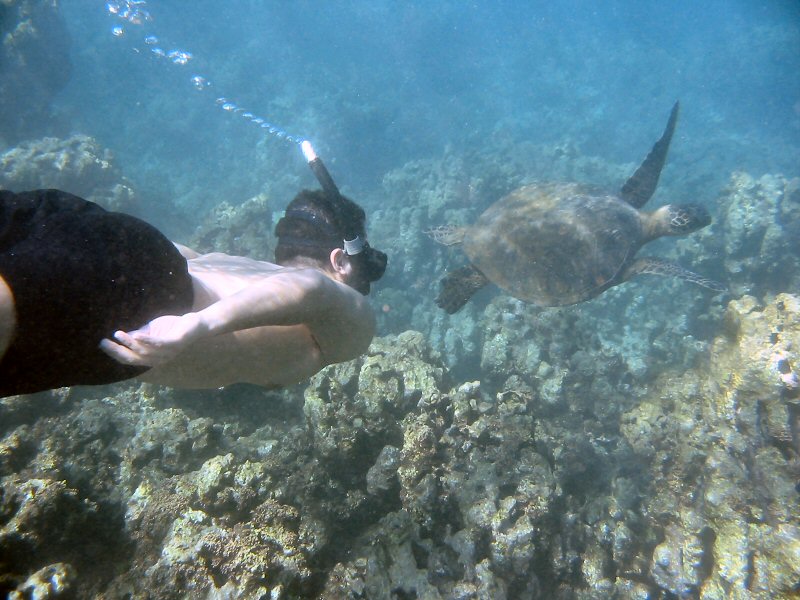
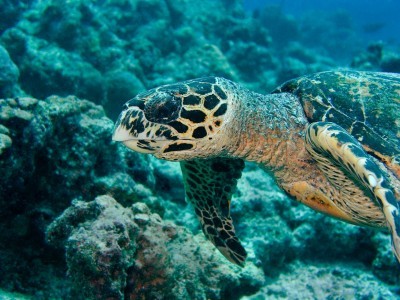
Sea Turtle at Spencer BeachTo clear your snorkel, exhale a burst of air through your mouth to blast the water out. Then take a cautious first breath to make sure all the water is gone. In the water, objects look 25% larger (or closer) than they really are. You can practice judging distance by floating in very shallow water and reaching down to touch the bottom. This will help you learn how far an “arm’s length” is underwater. Walking with fins on can be uncertain on dry land or on a boat. If you are snorkeling from shore, try putting your fins on and removing them in waist deep water. If you are snorkeling from a boat, don’t put your fins on until it is time to enter the water and take them off at the boat ladder before getting back on the boat.

4. Search for ideal snorkeling conditions
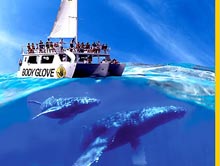
Lizard Fish at KahaluuThe best time to snorkel or dive in Hawaii is in the morning.  Fish are generally more active and you stand a greater chance to see other marine life such as the Hawaiian Spinner Dolphins.  Also, the water conditions are generally more favorable, the winds usually pick up in the afternoon.  If there is a sandy beach or sandy bottom near you, chances are the underwater visibility will not be so good.  This is especially true if there is any wind or current, as this will stir up the sand from the ocean floor.  Snorkeling away from the sandy shore and over a vast reef is much more pleasurable - you can usually see where the sandy bottom ends and the reef begins when standing on shore and looking out over the water.

5Be Respectful and Have Fun
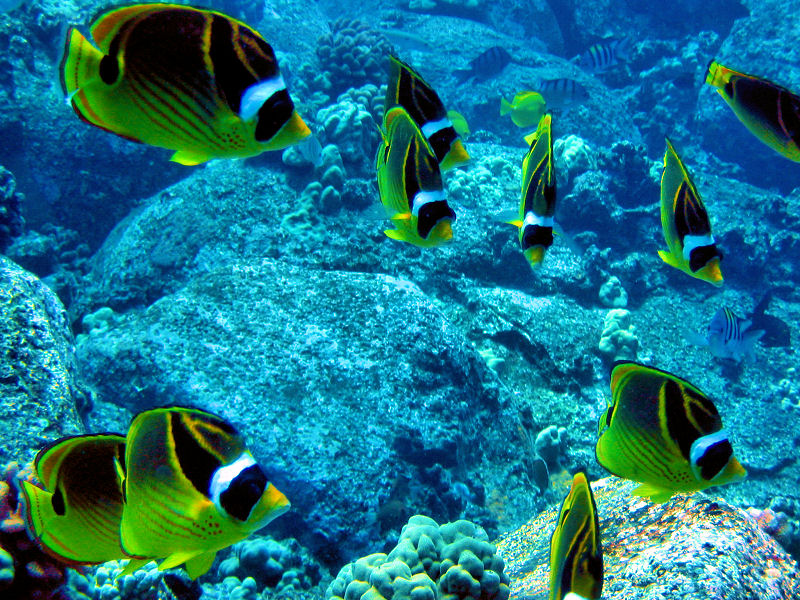
Raccoon Butterfly Fish at KahaluuThe reef is a living animal.  What may look like merely rocks and plants are most likely thousands of tiny organisms trying to build a home.  Therefore, enter, exit, and rest only on sandy bottoms and bare lava.  Just touching coral can destroy it.  Also, never stand on a any coral because it can be very fragile.  Never dive in!  To view the hawaiian fish best, approach slowly, you'll find they respond best to the passive viewer.  The Hawaiian green sea turtles (Honu) are protected by law, so do not touch them or disturb them, and they will probably swim to you.  Enjoy your snorkeling in Hawaii, we recommend buying or renting an underwater camera to film our splendid sea life.

KONA


HILO


Discount SCUBA
& Snorkel Gear


Snorkel Big Island

Big Island Beaches

Let's Go Hawaii

Diving & Snorkeling Map

Travel Calling Cards | Hawaii Travel Discounts | Vacation Package Discounts

©2010 Let's Go Hawaii.  All Rights Reserved.
Home | About |
Contact | Links | Blog | Search

Big Island Hawaii

Big Island Hawaii Kona

BEACHES
Hawaii Beach Guide

OCEAN
Snorkeling
SCUBA Diving
Kayak Hawaii

SIGHTSEEING
Big Island Sights
Hawaii Hiking

HAWAII VOLCANO
Active Lava Flow
Volcano Hiking

KONA
Kailua-Kona
Kohala Coast

HILO
Liliuokalani Gardens
Farmer's Market

Travel Resources

Discount Hawaii Airfare
Big Island Hawaii Hotel
Hilo Hawaii Hotels
Kona Hawaii Hotels
Kona Vacation Rentals
Kona Rental Cars

Tours and Activities
Hawaii Vacation Deals
Big Island Weather

Hawaii Books

Maps of Big Island
Travel Guides
Hawaiian Islands
Diving and Snorkeling

Photo Galleries

Hawaii Photos
Hawaiian Sea Turtle
Volcano Photos

Sunset Photos
Diving Photos